
Beginner Arm Workout: Simple Exercises to Build Strength
Fitness Tips
Apr 13, 2026 • 8min read
Whether it’s dumbbells, cables or machines, there’s a lot of equipment you can use to create your own arm routine, even for beginners. However, it can be hard to know which exercises actually help build strength without overcomplicating your routine. Fortunately, an effective beginner arm workout doesn’t need to be complicated.
Below are some of the best arm workouts for beginners, including seven exercises to build strength while improving technique, along with tips for the ultimate arm workout and mistakes to avoid.
WHY BEGINNERS SHOULD TRAIN THEIR ARMS
Arm exercises help develop muscle definition, but they also offer plenty of benefits that go far beyond appearance, including:
- Supporting everyday upper-body movements like carrying groceries or lifting objects
- Improving performance during other workouts
- Providing stability during exercises like push-ups, rows and chest presses
- Strengthening shoulder and upper back muscles for better posture
Many people spend long hours sitting at desks or working on computers, which can lead to rounded shoulders and upper-body weakness. The right arm exercises can help counteract this imbalance.
WARMING-UP BEFORE YOUR ARM WORKOUT
A short warm-up helps prepare your muscles and joints for the workout ahead. Even a few minutes of light movement can improve performance and reduce strain.
Try these quick warm-up movements:
- Arm circles to loosen the shoulders
- Resistance band pull-aparts
- Light dumbbell shoulder presses
- Wall push-ups or modified push-ups
Once your arms and shoulders feel loose and warm, you’re ready to begin the arm workout.
7 STRENGTH-BUILDING ARM EXERCISES FOR BEGINNERS (30-40 MINUTES)
The following arm exercises for beginners will take about 30 to 40 minutes and focus on the biceps, triceps, shoulders and upper back. These movements are easy to learn, effective for building strength and commonly found in beginner arm workouts.
1. Seated Dumbbell Shoulder Press
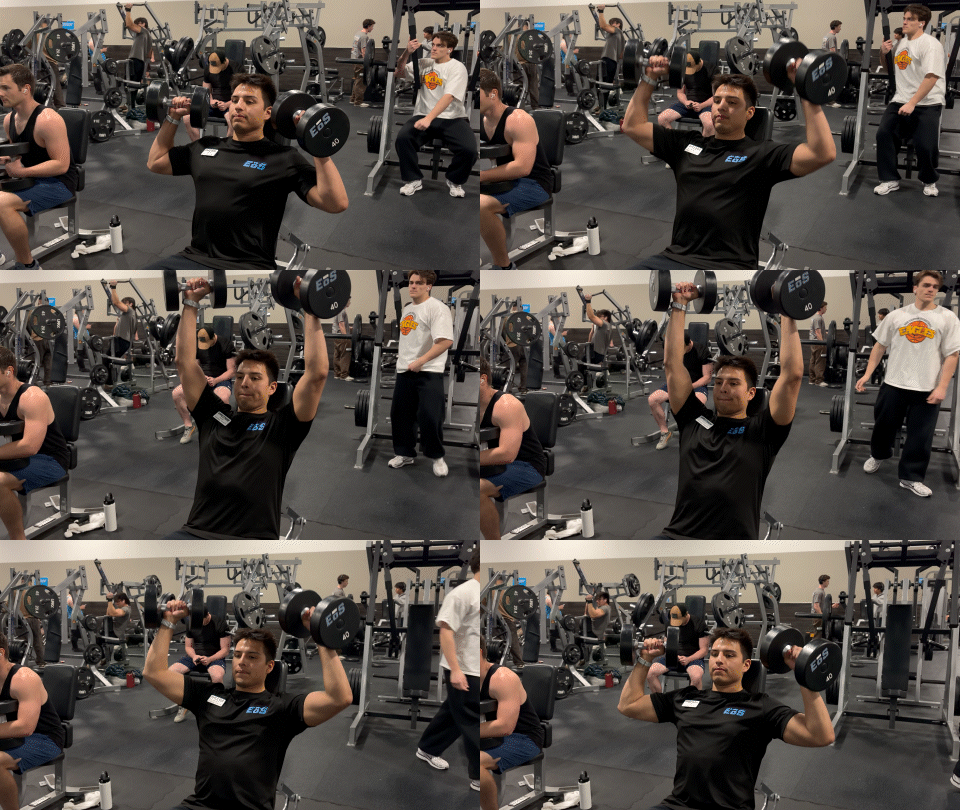
The seated dumbbell shoulder press targets your shoulders while also engaging your triceps. Sitting down helps maintain stability and focus on proper form during this beginner arm workout with weights.
Sets: 3
Reps: 10-12
How to do seated dumbbell shoulder presses:
- Sit on a bench with back support while holding a dumbbell in each hand.
- Raise the weights to shoulder height, with your palms facing forward.
- Push the dumbbells upward until your arms are fully extended.
- Slowly lower them back to shoulder height.
A good rule of thumb is to start with a manageable weight. You’ll be able to better engage your core and keep your lower back supported as you refine your form.
2. Face Pull
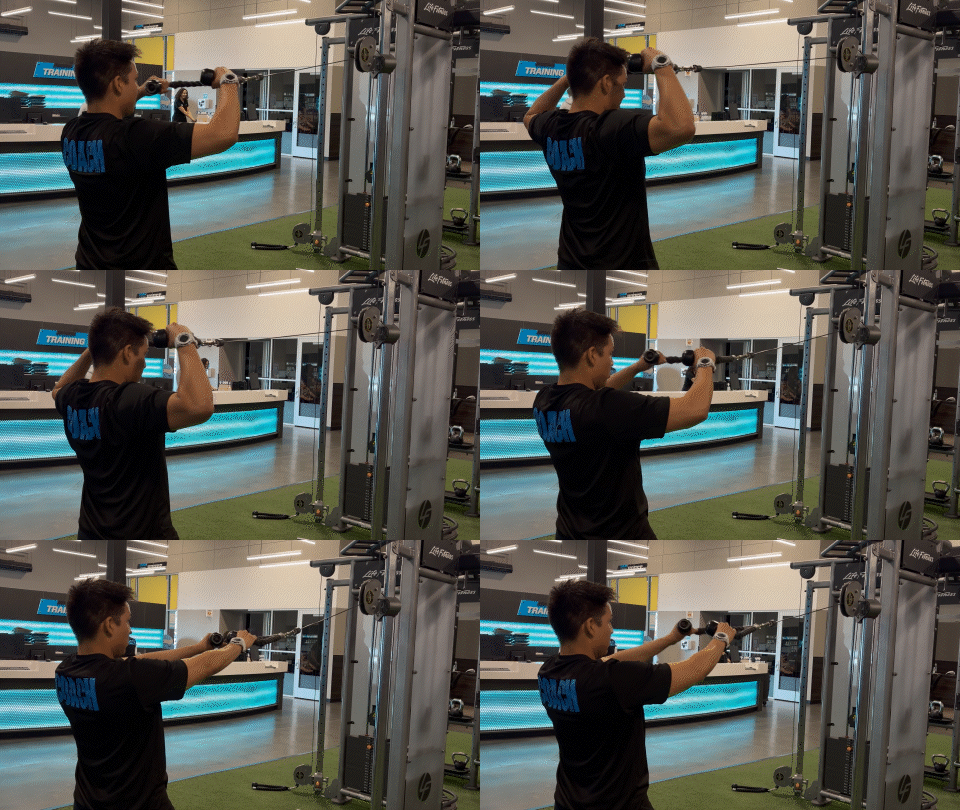
Face pulls are often overlooked in arm workouts, but are very effective for strengthening the shoulders and upper back.
Sets: 3
Reps: 10-12
How to do face pulls:
- Using a rope attachment on a cable machine, pull the rope toward your eye level. Keep your elbows high and pointed outward.
- Slowly bring the rope back to the starting position, rotating externally at the end of the move so that your thumbs are behind you.
Face pulls improve posture and shoulder stability while also balancing out pushing exercises like presses and pushdowns.
3. Cable Tricep Pushdown
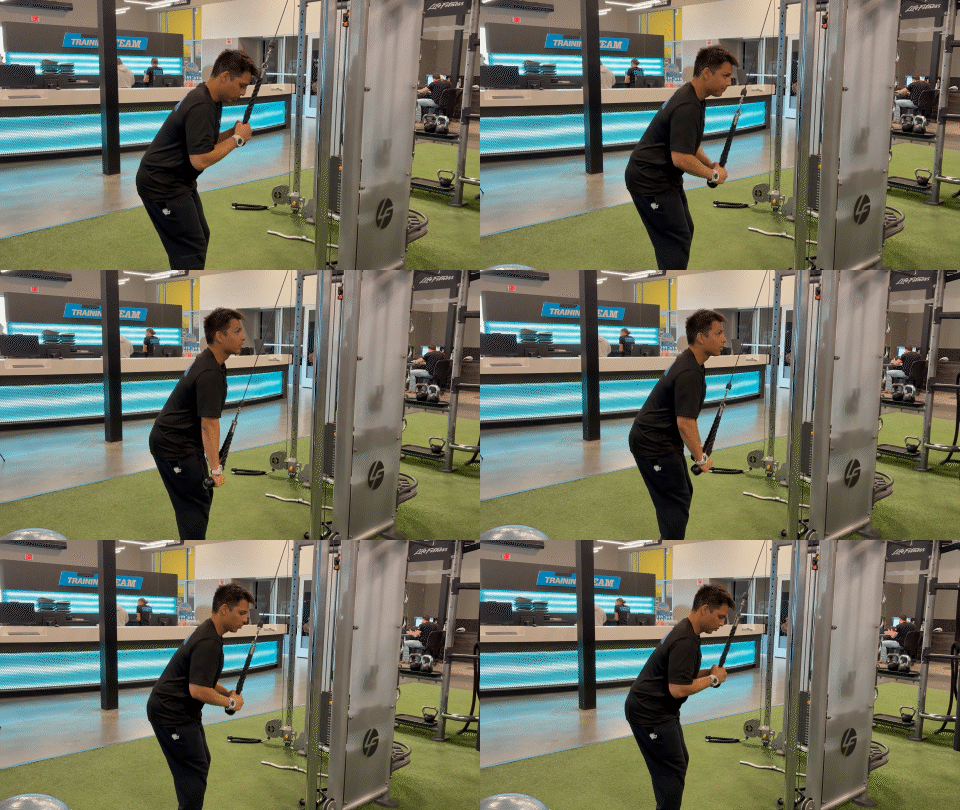
The cable triceps pushdown is one of the most effective exercises for strengthening the triceps, which are the muscles on the back of the upper arm.
Sets: 3
Reps: 10-12
How to do cable tricep pushdown:
- Stand facing a cable machine with a rope or bar attachment.
- Avoid shoulder movements, and keep your elbows close to your sides as you push the attachment downward by extending your arms.
- Fully extend the arms at the bottom, then control the return to the starting position.
Focus on controlled, slower movements and avoid using momentum.
4. Overhead Tricep Extension
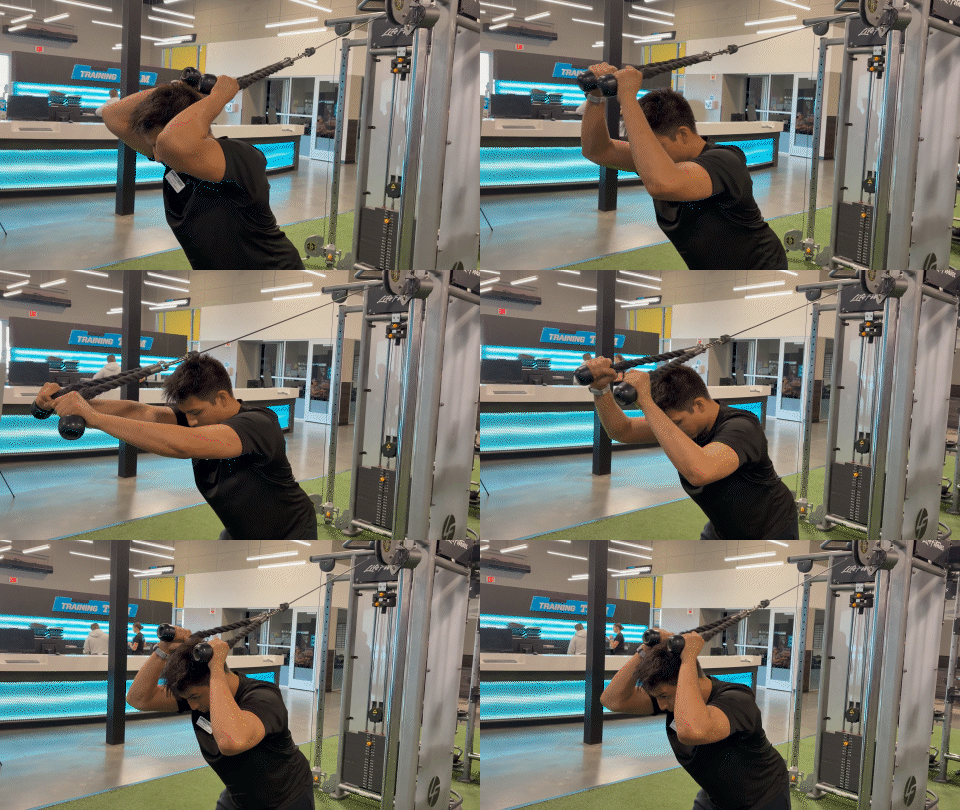
This exercise is one of the best arm workouts for beginners, as the overhead tricep extension isolates your triceps, specifically targeting the long head of the triceps, while building strength in the back part of your arms.
Sets: 3
Reps: 10-12
How to do overhead tricep extensions:
- Hold a single dumbbell with both hands above your head.
- Bend your elbows and lower the weight behind your head with control.
- Extend your arms to return to the starting position.
When doing overhead triceps extensions, keep your elbows pointing forward rather than flaring outward, and push your ribs down to avoid arching your lower back.
5. Dumbbell Bicep Curls
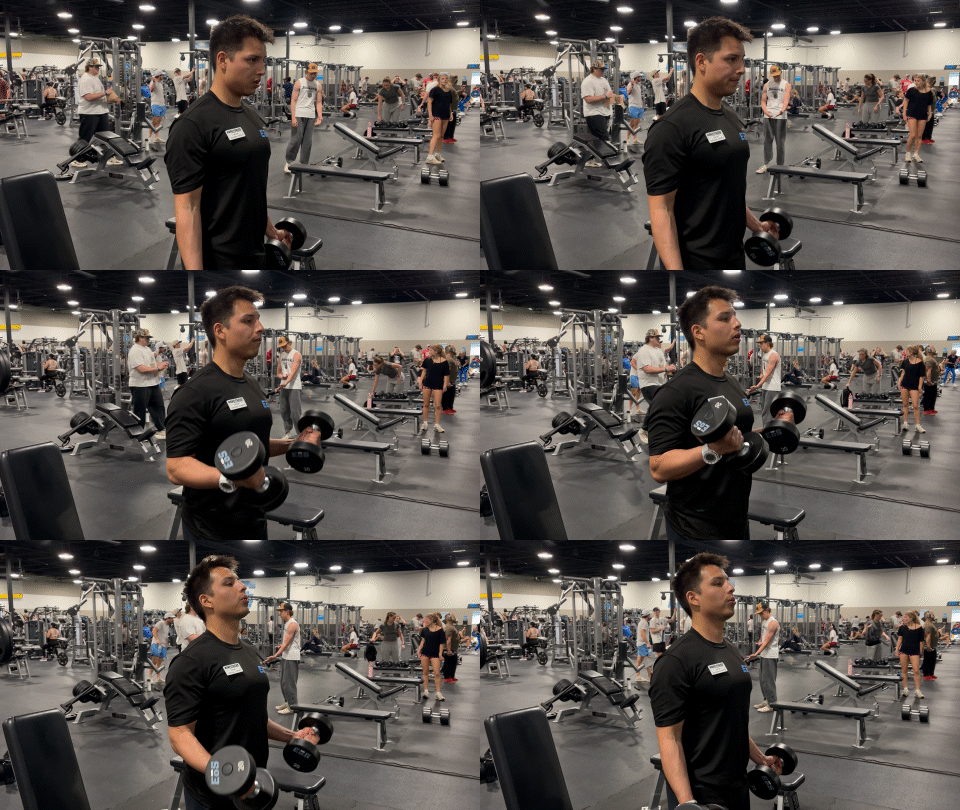
The dumbbell bicep curl is a classic free-weight exercise that strengthens the front of the upper arm. It is often one of the first arm exercises beginners learn because it is simple and effective.
Sets: 3
Reps: 10-12
How to do dumbbell bicep curls:
- Hold a dumbbell in each hand with your palms facing forward and your arms extended downward.
- Keep your elbows close to your body as you curl the weights upward toward your shoulders. Your wrists should also remain neutral, avoiding bending them at the top.
- Lower the weights back to the starting position.
6. Dumbbell Hammer Curls
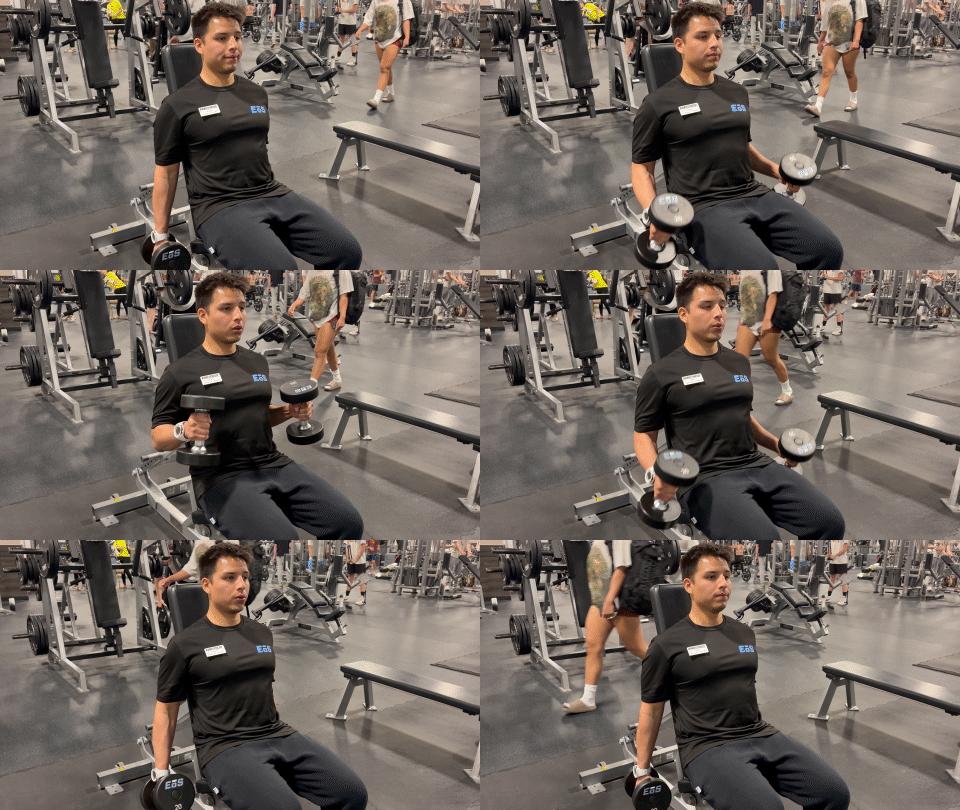
After mastering the bicep curls, you can level up with hammer curls. This exercise works both the biceps and the forearm muscles, so these arm exercises help with grip strength and arm endurance.
Sets: 3
Reps: 10-12
How to do hammer curls:
- Hold dumbbells with your palms facing inward.
- Curl the weights upward while keeping your palms facing inward.
- Slowly lower them back down.
Since this exercise also targets the forearms, it is another great addition to any beginner arm workout with weights.
7. Lateral Raise
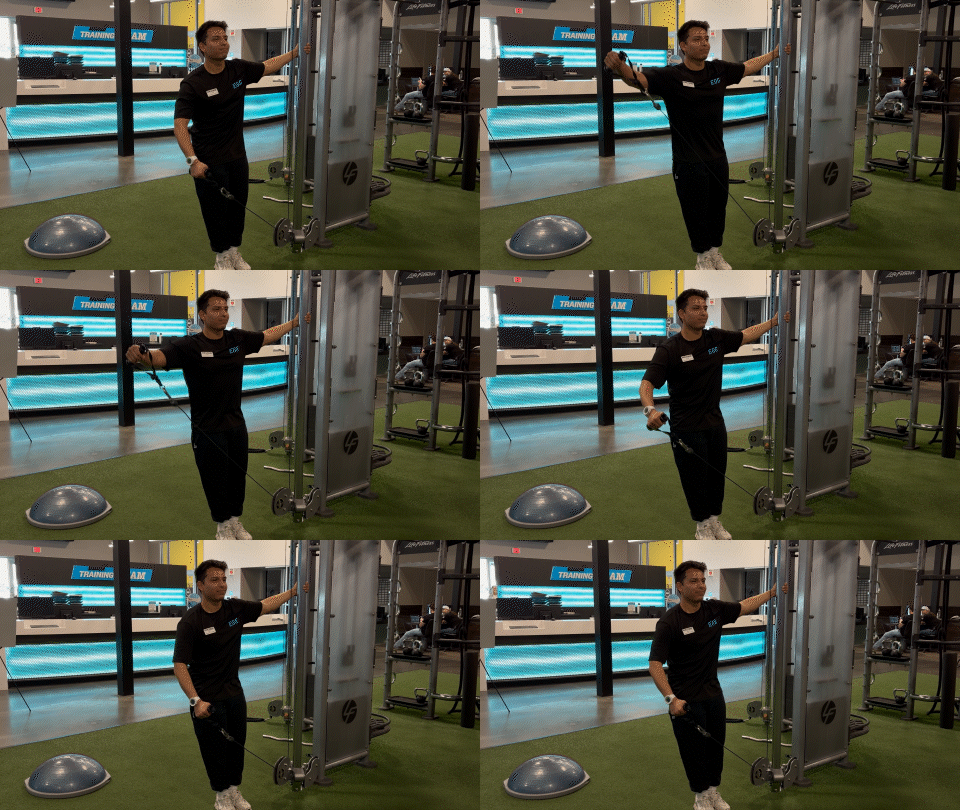
Lateral raises target the shoulder muscles and help build upper-body stability. Since this exercise isolates smaller muscles, beginners should use lighter weights.
Sets: 3
Reps: 10-12
How to do lateral raises:
- Hold a dumbbell in each hand at your sides.
- Raise your arm slightly in front of your body (in the scapular plane). When doing this,lead with your elbows, not your hands.
- Pause briefly at shoulder height, then slowly lower your arms.
The key here is to stay in control of your movements, so avoid lifting your weights too quickly or raising them above shoulder level. Power the move with your core. Staying engaged helps you maintain proper posture and protects your lower back from arching.
MOST COMMON BEGINNER ARM WORKOUT MISTAKES
Many beginners unknowingly make mistakes that reduce workout effectiveness or increase the risk of injury. Here are some of the most common beginner arm workout mistakes and how you can fix them.
1. Using Too Much Weight
One of the most common mistakes is lifting weights that are too heavy. This often leads to poor form and forces other muscles to compensate.
Fix: Choose a weight that lets you complete the full set while maintaining good technique.
2. Poor Exercise Form
Poor posture or rushed repetitions can limit muscle activation and place extra strain on your joints.
Fix: Focus on slow, controlled movements and proper alignment.
3. Skipping Warm-Ups
If you jump straight into strength training without giving your muscles a chance to prepare, you can strain muscles and increase your risk of injury.
Fix: Spend at least five minutes warming up before your workout.
4. Training Arms Too Often
It’s easy to try and push yourself, but your muscles need time to recover and rebuild after training.
Fix: Limit arm workouts to one or two sessions per week.
BEGINNER ARM WORKOUT PROGRESSION PLAN
Once you’ve become comfortable with the exercises, gradually increase the intensity of your workouts to continue building strength.
Here’s a general progression plan to make the most out of these arm workouts for beginners:
- Weeks 1–2: Focus on learning proper technique by using lighter weights and completing two sets of each exercise.
- Weeks 3–4: Increase to three sets per exercise and begin slightly increasing weight.
- Weeks 5–6: Add more resistance or increase the number of repetitions to challenge your muscles.
If you want more personalized guidance, our personal trainers at EōS can help you get started during your welcome workout. Not only can they show you different arm exercises, but they’ll also make sure you’re performing them with proper form and technique to avoid forming bad habits or injuring yourself.
TIPS TO GET THE MOST OUT OF YOUR ARM WORKOUTS
When starting with arm workouts for beginners, here are a few tips to help you out:
- Focus on controlled movements to activate the muscles more effectively and improve overall form.
- Track your workouts and gradually increase weights or repetitions over time.
- Stay hydrated while working out.
- Rest between exercises to allow your muscles to recover.
One of the most important factors in any beginner arm workout is consistency. Structured programs at EōS Fitness can help you get started with confidence and stay consistent with your routine. Try our 7-day free trial to see everything we have to offer for building an arm routine for beginners.
FAQs ABOUT BEGINNER ARM WORKOUTS
What is a good beginner arm workout?
A good beginner arm workout includes exercises that target the biceps, triceps and shoulders, while also being easy to learn. Exercises like dumbbell curls, shoulder presses and tricep pushdowns are the best place to start.
How often should beginners train arms?
Beginners should train their arms about one to two times per week to allow muscles enough time to recover and grow stronger between workouts.
What weight should beginners use for arm exercises?
Beginners should start with a weight that lets them complete 10 to 12 repetitions with proper form. If the weight feels too easy, it can gradually be increased.
Are arm workouts enough for upper-body strength?
Arm workouts are beneficial, but combining them with chest, back and shoulder exercises creates a more balanced, stronger upper body.