
10 LOW-IMPACT WORKOUTS THAT BUILD STRENGTH
Fitness Tips
Nov 17, 2025 • 9min read
If pounding pavement or jumping into high-impact routines isn’t your thing (or your knees are just over it), you’re in the right place. Low-impact strength training is joint-friendly, sustainable and perfect for beginners, older adults or anyone easing back into fitness. It supports weight loss, muscle tone and functional strength without stressing your joints. This guide walks you through what low-impact training really means, its benefits and 10 exercises to build strength safely—whether at home or in the gym.
WHAT IS A LOW-IMPACT WORKOUT?
A low-impact workout involves exercises that minimize stress on your joints by keeping at least one foot on the ground. Unlike high-impact workouts, they avoid jumping or hard landings.
Key Principles of Low-Impact Strength Training:
- Controlled, deliberate movements
- Proper form over speed
- Grounded stance (no jumping)
- Can be done at home or at the gym
Low-impact doesn’t mean easy—these routines can still challenge your muscles and get results.
WHO SHOULD TRY LOW-IMPACT STRENGTH TRAINING?
Low-impact strength training is ideal for:
- Beginners intimidated by high-impact or heavy lifting
- Older adults wanting to maintain strength and mobility
- Anyone recovering from injury or joint pain
- Fitness fans looking to mix up their routine safely
BENEFITS OF LOW-IMPACT STRENGTH TRAINING
Low-impact strength training isn’t just about being gentle on your joints—it’s a smart, strategic way to build fitness that lasts. Whether you’re easing back into exercise or simply want a routine that respects your body, the benefits stack up quickly.
Why it works:
- Easier on your knees, hips and back
- Encourages weight loss without high strain
- Supports consistency because it feels better on your body
- Great for mobility, longevity and injury prevention
- Works across all fitness levels
10 OF THE BEST LOW-IMPACT STRENGTH TRAINING EXERCISES
Low-impact strength training is more than just gentle movement—it’s a smart, effective way to train all major muscle groups while being kind to your joints. Whether you’re starting fresh, bouncing back from an injury or just need something that feels sustainable, these moves can help you build real strength without the wear and tear.
Looking for workouts that are joint-friendly but still deliver results? These moves are designed to be:
- A low-impact full body workout that hits all major muscle groups
- Easier on your knees, hips and back compared to high-impact training
- Targeted to strengthen your abs, legs, arms and core
- Adaptable for beginners, older adults or anyone building back from injury
Each exercise below includes step-by-step instructions, tips for form and a simple way to level up when you’re ready for more challenge.
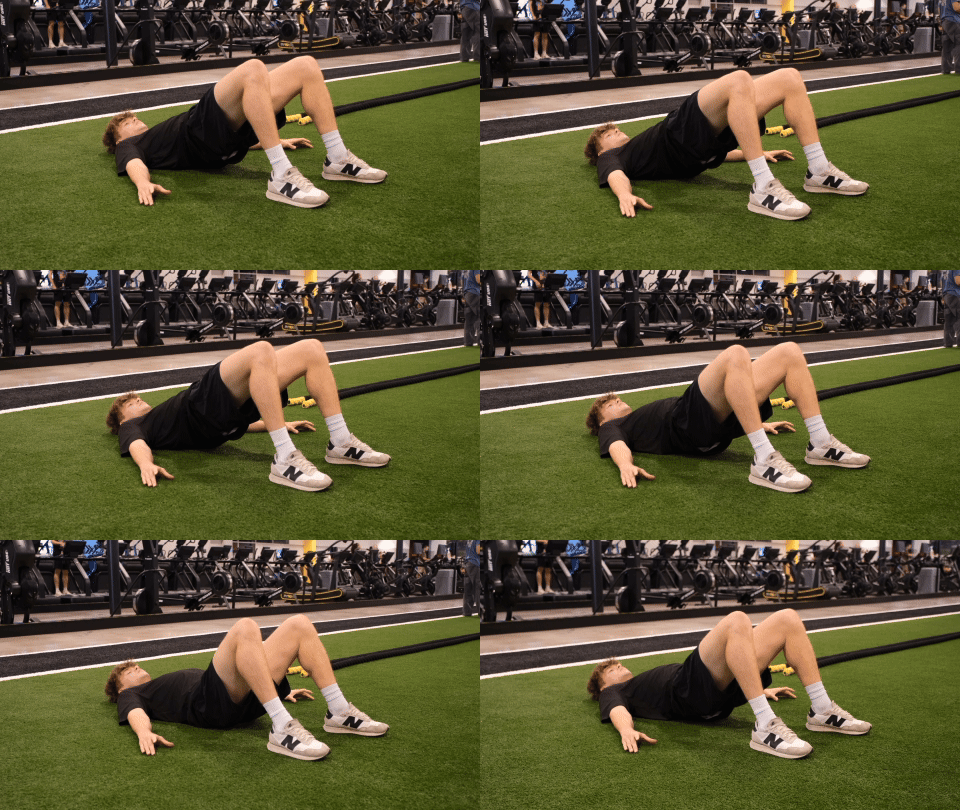
1. Glute Bridge
Equipment: Bodyweight
Muscles worked: Glutes, hamstrings, lower back
How to do it:
- Lie on your back with your knees bent and feet flat on the floor, hip-width apart
- Rest your arms by your sides with your palms facing up
- Squeeze your glutes first, then press through your heels to lift your hips toward the ceiling
- Pause at the top, keeping your glutes engaged, then lower slowly with control.
Tips:
- Keep your shoulders and feet grounded
- Avoid arching your lower back
Challenge:
- Try a single-leg bridge or place a dumbbell across your hips for added resistance
2. Resistance Band Row

Equipment: Resistance band
Muscles worked: Upper back, biceps, shoulders
How to do it:
- Sit on the floor with legs extended and band looped around your feet
- Hold the ends of the band with arms extended in front of you
- Pull the band toward your torso, squeezing your shoulder blades together
- Slowly return to the starting position
Tips:
- Keep your back straight, core engaged
- Elbows should stay close to your body
Challenge:
- Double up the band or slow the tempo for more control
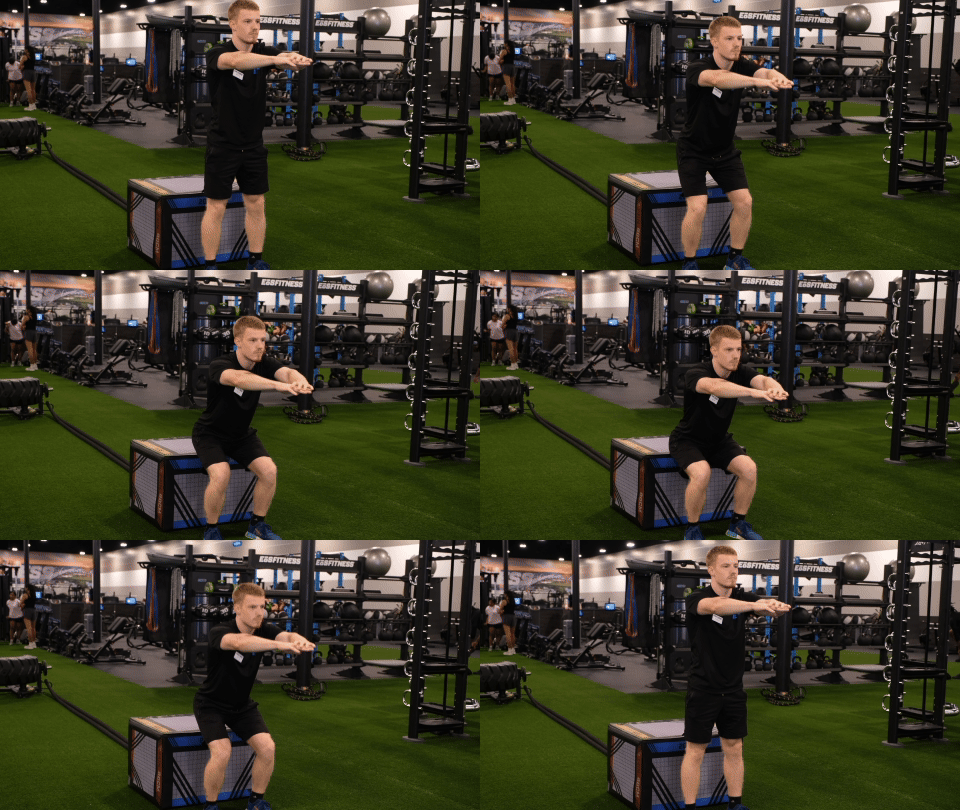
3. Chair Squat
Equipment: Chair (bodyweight)
Muscles worked: Quads, hamstrings, glutes, core
How to do it:
- Stand in front of a sturdy chair with feet shoulder-width apart
- Lower yourself down to tap the chair lightly with your glutes
- Push through your heels to stand back up as you exhale
Tips:
- Don’t let your knees cave inward
- Keep chest lifted and back straight
Challenge:
- Hold a dumbbell at your chest or pause for 2 seconds before standing
4. Wall Push-Up
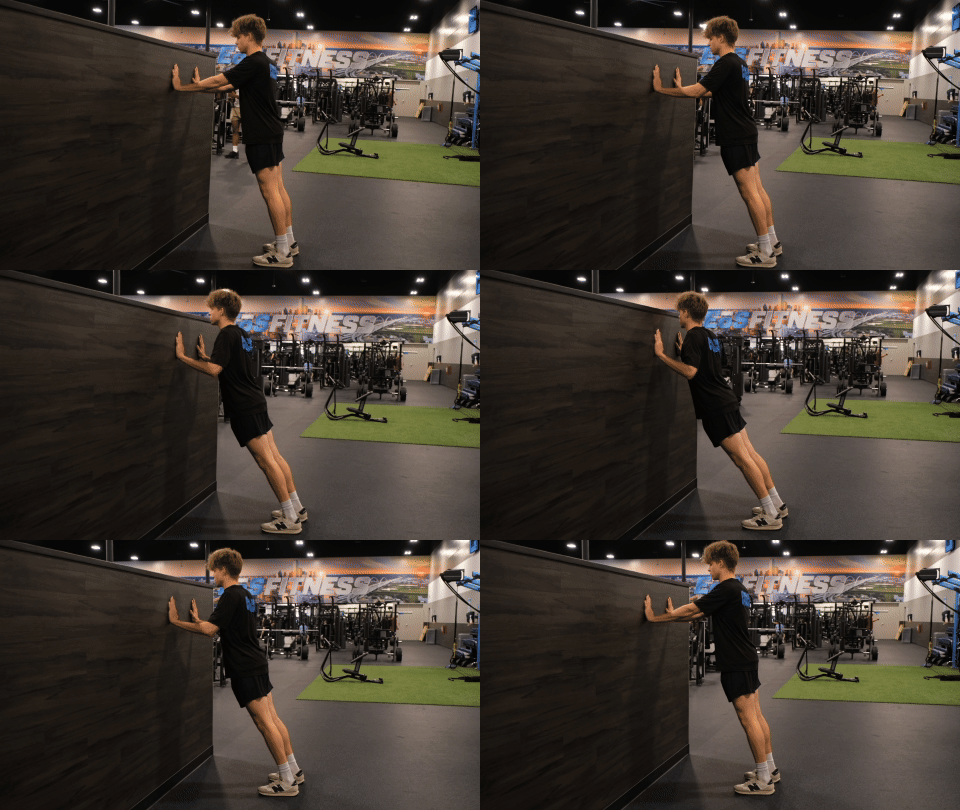
Equipment: Wall (bodyweight)
Muscles worked: Chest, triceps, shoulders, core
How to do it:
- Stand facing a wall, arms extended, hands shoulder-width apart
- Bend elbows and bring your chest toward the wall
- Push back to the starting position
Tips:
- Engage your core to keep a straight line from head to heels
- Adjust distance from wall to increase difficulty
Challenge:
- Progress to countertop or incline push-ups as strength improves
5. Standing Resistance Band Bicep Curl
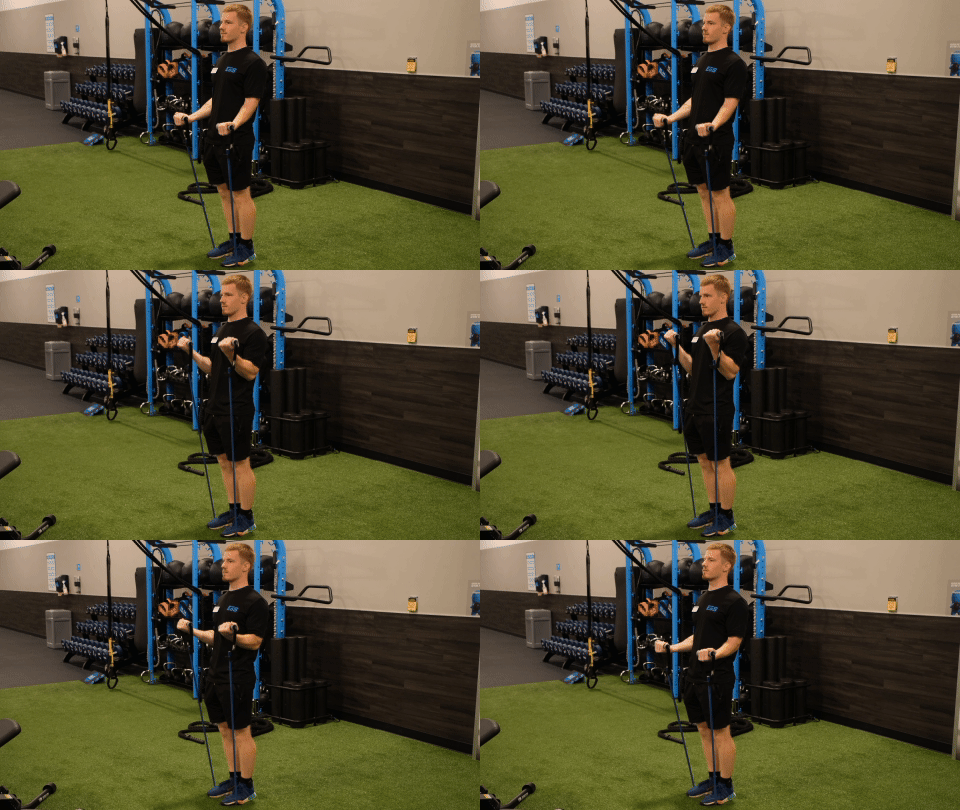
Equipment: Resistance band
Muscles worked: Biceps
How to do it:
- Stand on the center of a resistance band
- Hold handles (or ends) with palms facing forward
- Curl your hands toward your shoulders, keeping elbows close to your sides
- Lower slowly with control
Tips:
- Keep shoulders relaxed
- Avoid swinging or using momentum
Challenge:
- Add a pause at the top or increase band resistance
6. Alternating Lunges
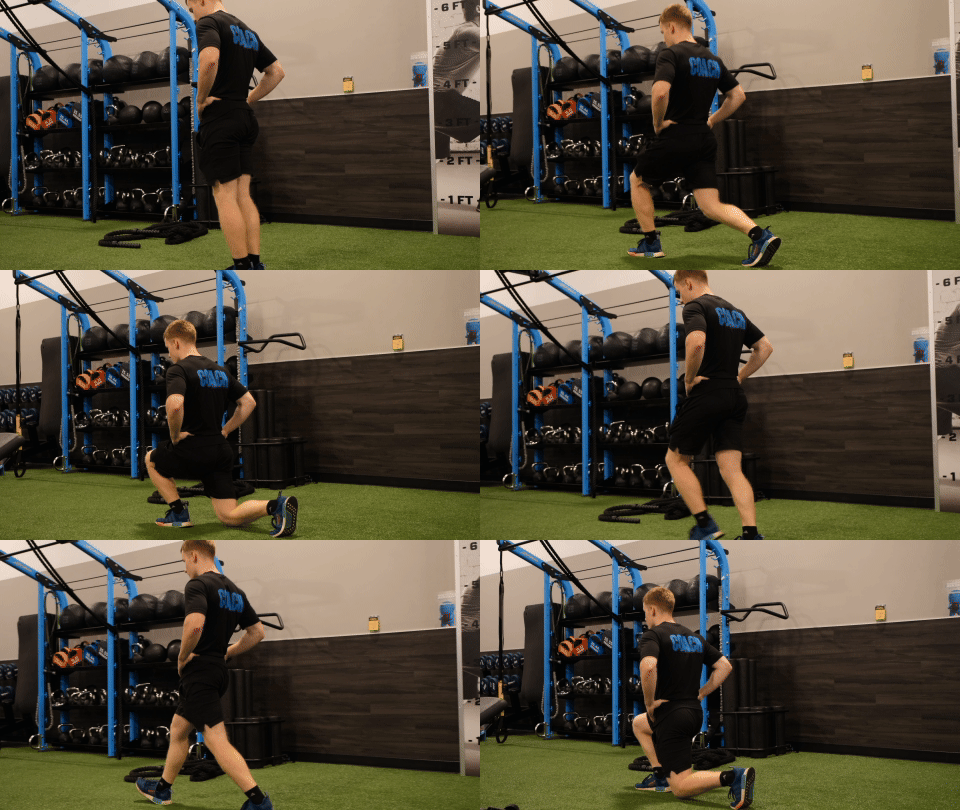
Equipment: Bodyweight (optional dumbbells for added resistance)
Muscles worked: Quads, glutes, hamstrings, calves, core
How to do it:
- Stand tall with feet hip-width apart, hands on hips or holding light weights at your sides
- Step one foot forward and lower(straight down to the ground without pushing forward) into a controlled lunge—front knee should stay above the ankle (not exactly, the knee will track slightly in front of the knee but definitely not past the toes), back knee hovering just above the ground.
- Push through your front heel to return to standing as you exhale
- Step forward with the opposite leg and repeat
Tips:
- Keep your chest lifted and core engaged
- If forward lunges feel unstable or cause discomfort, try an assisted reverse lunge using a wall or chair for support
- Use a wall or chair for balance if stability is a concern
Challenge:
- Hold dumbbells at your sides
- Add a pulse at the bottom of each lunge before stepping back up
7. Bird-Dog
Equipment: Bodyweight
Muscles worked: Core, glutes, lower back
How to do it:
- Start on hands and knees, back flat, core engaged
- Extend one arm and the opposite leg straight out
- Hold briefly, then return and switch sides
Tips:
- Keep hips level and avoid rocking
- Move slowly and with control
Challenge:
- Add a loop band around your foot for extra resistance
8. Resistance Band Chest Press
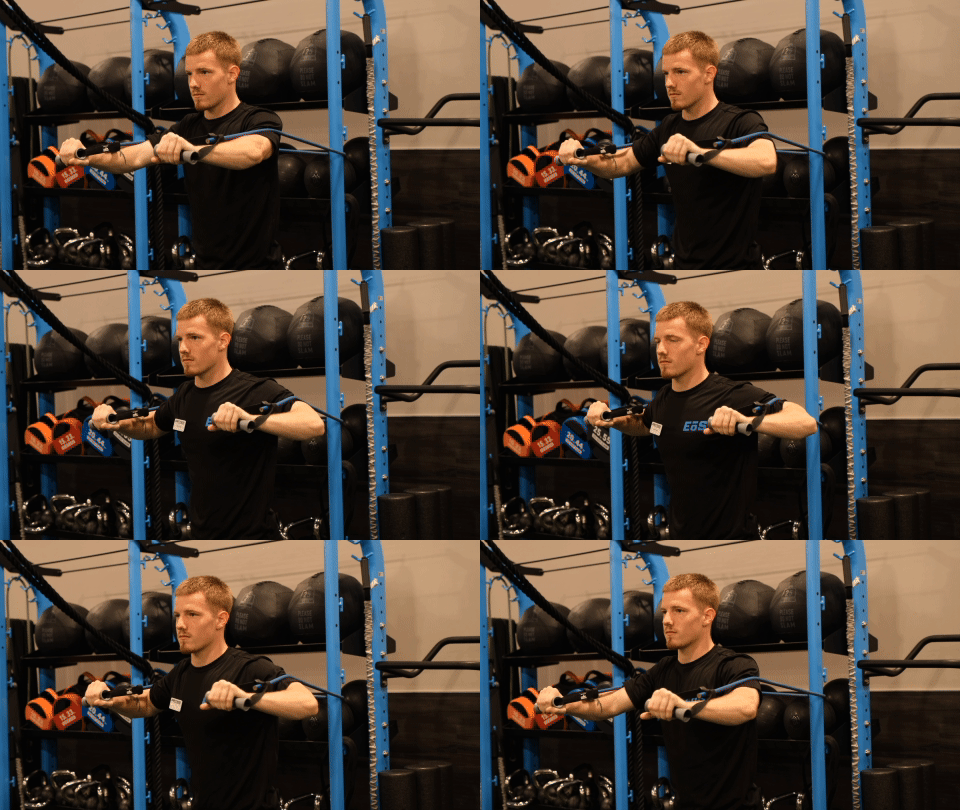
Equipment: Resistance band with door anchor or looped around a sturdy object
Muscles worked: Chest, triceps, shoulders
How to do it:
- Stand in a staggered stance facing away from the anchor point
- Hold the band handles at chest level, elbows bent
- As you exhale, press both arms forward until fully extended
- Slowly return to starting position
Tips:
- Stand with one foot in front of the other for balance
- Keep wrists straight
Challenge:
- Use a stronger band or slow the press for more muscle time
9. Clamshell
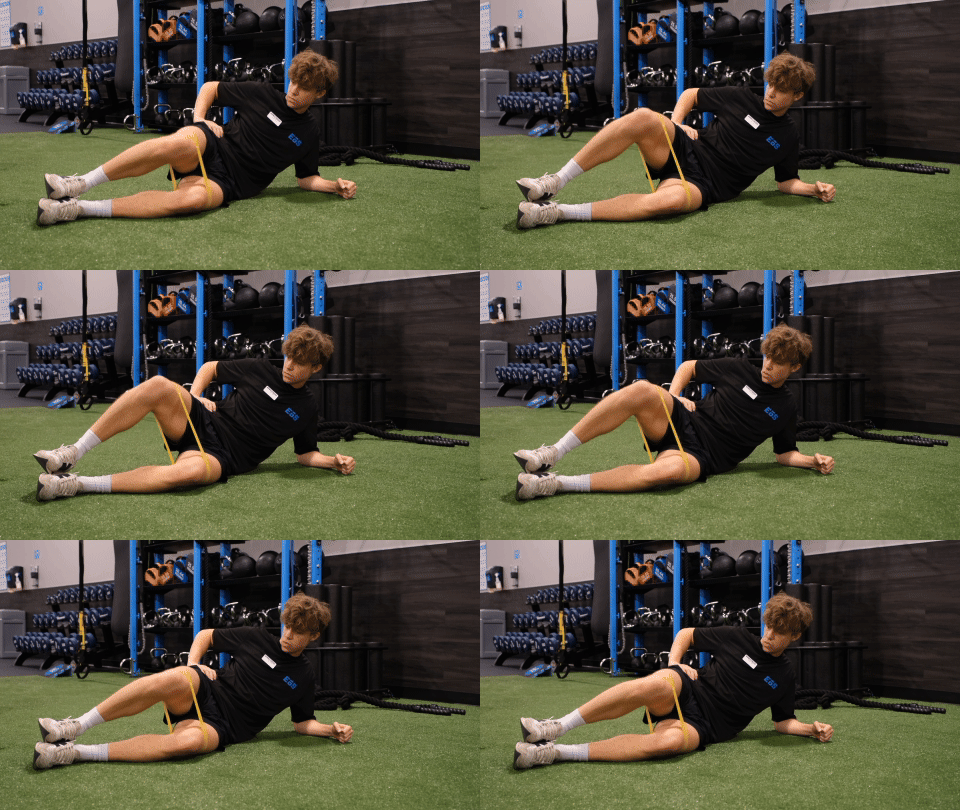
Equipment: Bodyweight or mini resistance band
Muscles worked: Glutes, outer thighs, hips
How to do it:
- Lie on your side, knees bent, legs stacked
- Keep feet together and lift top knee open, then lower
- Add a band above the knees for extra resistance
Tips:
- Don’t roll your hips backward—keep them stacked
- Small movements are more effective here
Challenge:
- Hold the top position for 3–5 seconds or increase reps
10. Standing Calf Raise
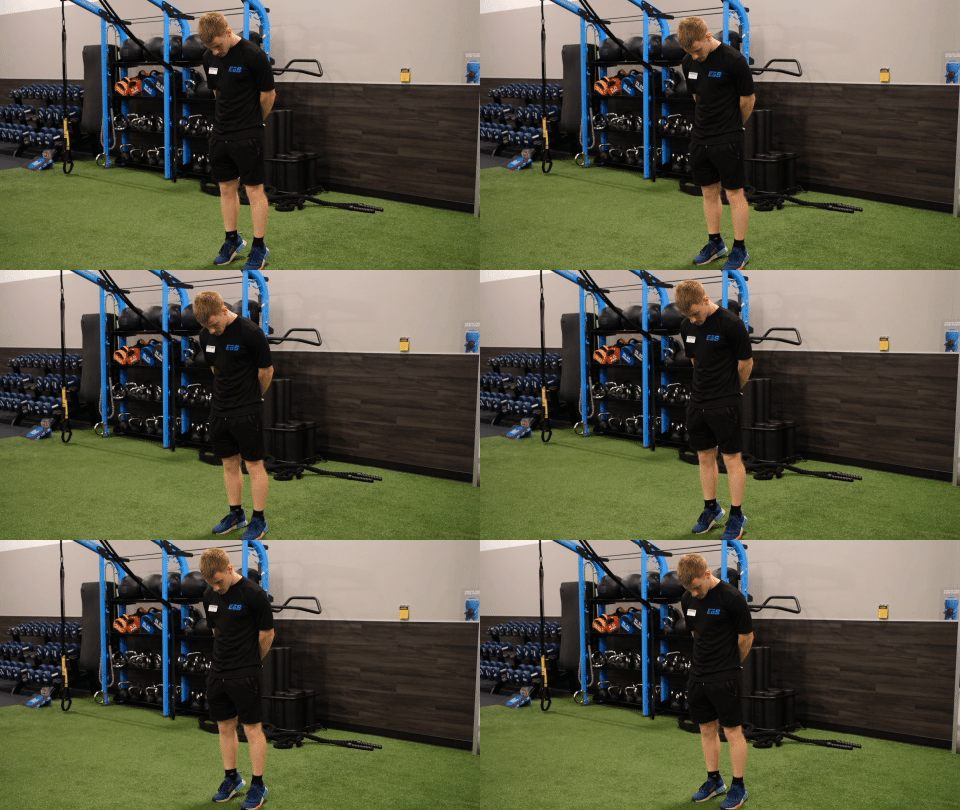
Equipment: Bodyweight (optional dumbbells)
Muscles worked: Calves, ankles, feet
How to do it:
- Stand tall, feet hip-width apart
- Press through the balls of your feet to raise your heels
- Lower back down slowly
Tips:
- Use a chair or wall for balance
- Keep movement slow and controlled
Challenge:
- Try single-leg raises or hold light dumbbells
HOW TO BUILD THE BEST LOW-IMPACT WORKOUT PLAN
Low-impact strength training works best when you balance upper-body, lower-body and core moves in one session. Here’s a simple full-body workout plan using all 10 exercises from this guide. Aim to move through each exercise for the suggested reps, rest 30–60 seconds between moves and complete 2–3 rounds depending on your fitness level.
Warm-Up (5 minutes):
- Gentle walk, march in place or light dynamic stretches
The Workout:
- Glute Bridge – 12 reps
- Resistance Band Row – 12 reps
- Chair Squat – 10–12 reps
- Wall Push-Up – 10 reps
- Standing Resistance Band Bicep Curl – 12 reps
- Alternating Lunges – 8–10 reps each leg
- Bird-Dog – 10 reps each side
- Resistance Band Chest Press – 12 reps
- Clamshells – 12 reps each side
- Standing Calf Raise – 12–15 reps
Cool-Down (5 minutes):
- Stretch quads, hamstrings, chest and shoulders
- Add light yoga poses like child’s pose or cat-cow for mobility
Notes for readers:
Beginners can start with 1–2 rounds and work their way up. If you’re short on time, simply pick 5–6 exercises and rotate them into your weekly plan. The most important thing? Focus on form over speed—because quality reps build strength safely and effectively. For best results, aim to create a balanced routine with upper body, lower body and core moves.
8 SAFETY TIPS FOR LOW-IMPACT TRAINING
Even though low-impact strength training is gentle on joints, safety still comes first. These tips will help you avoid injury, protect your body and get the most from your workouts—especially if you’re just starting out or coming back from a break.
- Start with lighter resistance or bodyweight before progressing
- Focus on controlled, steady movements rather than speed
- Use proper footwear and a safe workout space
- If you feel sharp pain, stop and reassess form
- Start with bodyweight before adding resistance
- Prioritize form over speed
- Wear supportive footwear
- Stop if you feel sharp pain
LEVEL UP YOUR LOW-IMPACT STRENGTH TRAINING ROUTINE AT EōS FITNESS
Low-impact workouts are for everyone. They help you stay consistent, build strength and avoid injury—without putting unnecessary strain on your joints. No matter your starting point, small, consistent steps lead to lasting progress.
Ready to take your strength training to the next level? Sign up for your free personal training session and let a Personal Trainer design a plan that’s safe, effective and built around your goals.