

PULL DAY WORKOUT ROUTINE
Fitness Tips
Feb 02, 2026 • 5min read
If you want to focus on your upper body and improve your posture, a well-structured pull day workout is essential. Pull day workouts emphasize exercises that involve pulling motions to engage your back, biceps and supporting muscles. Whether you want to do a push/pull/legs split or strengthen your biceps and back muscles, incorporating the right pull day exercises into your routine can significantly improve both performance and long-term health.
Our pull day workout guide breaks down exactly what this routine is, why pull day exercises matter and how to build the best pull day workout routine.
THE BASICS: WHAT IS A PULL WORKOUT?
A pull workout includes exercises that engage the muscles you use during pulling motions, such as pulling a door open.
Some of the pull day exercises you can do include:
- Seated rows
- Dumbbell curls
- Barbell curls
- Pull-ups
- Lat pull-downs
- Bent-over rows
What Do Pull Workouts Target?
A pull day workout primarily targets your biceps and back muscles. They work best when paired with a push day that focuses on muscles such as the chest, shoulders and triceps.
Pull Day vs. Pull Workout Splits
A pull workout is any session that includes pulling movements, while a pull day workout is typically part of a structured training split, such as push/pull/legs. A dedicated pull day allows you to focus entirely on back and biceps development.
WHY DO PULL DAY EXERCISES MATTER?
Pull day exercises do far more than just bulk you up. Strengthening your pulling muscles supports spinal health and lowers the risk of lower back pain.
Beyond muscle development, pull exercises offer several long-term benefits, including:
- Improved bone health
- Higher endorphin levels
- Build lean muscle mass
- Boosts metabolism to support calorie burning
- Enhances cognitive function
- Aids in managing certain chronic conditions
When you plan your workouts effectively, pull day workouts can improve your physical performance and overall quality of life.
BEST PULL DAY WORKOUT TO GET YOUR MUSCLES MOVING

The best pull day workout builds on compound exercises that use multiple muscle groups, complemented by isolation movements that fine-tune specific areas like the biceps. Compound lifts should always come first, as they require more energy, coordination and strength.
A Pull Day Workout Routine You Can Try
Not sure where to begin with your pull day workout?
Here are five pull day exercises that you can start with:
- Bent-Over Rows: Bent-over rows are pull day exercises that target the lats, traps and lower back, building overall back thickness and strength.
- Pull-Ups or Lat Pulldowns: Pull-ups and lat pulldowns are among the most effective bodyweight pull day exercises, both focusing on lat development and upper-back engagement.
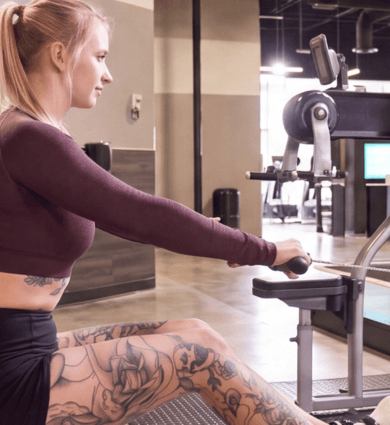
- Seated Cable Rows: Seated rows are all about controlled movement and consistent tension, which is why they’re perfect for targeting the mid-back and improving your posture.
- Barbell or Dumbbell Curls: Biceps-focused pull-day exercises like curls build arm strength and size and complement compound pulling exercises.
- Hammer Curls or Face Pulls: These finishing movements support forearm strength, rear delts and shoulder stability.
You can start with this pull day workout routine, as it balances strength, muscle growth and injury prevention, but feel free to personalize and build upon it as you see fit.
How Long Should a Pull Workout Be?
For an effective pull workout, you should exercise for at least 45 minutes to an hour, though this may vary depending on what exercises (and how many) you want to include in your routine.
How often Should You do a Pull Day Workout?
Most people benefit from one to two pull day workouts per week, depending on recovery and how often you exercise per week. You should ensure you’re balancing out your pull days with push days so that you’re working out all your muscles equally. It can be done all within the same workout session if you play your cards right, but you can also do them on separate days.
TIPS ON PUTTING TOGETHER THE ULTIMATE PULL DAY WORKOUT
To get the most out of your pull day workouts, plan out your workout session to avoid injury or overexertion.
Some tips to keep in mind:
- For muscle growth, the ideal sets are around 3-4, with about 8-12 reps.
- If you’re focusing on strength building, do 4–6 reps with a heavier weight.
- Don’t forget to rest! For compound movements, rest about 90–120 seconds between each set, while isolation exercises should be around 45-75 seconds.
- Most lifters benefit from performing a pull workout once or twice per week, depending on their overall training split between push days and recovery days.
- Although it’s great to challenge yourself, always gradually increase weight, reps or total volume over time so you can keep progressing without risking injury.
If you aren’t sure where to start, we’ll set you up with an EōS Personal Trainer during your Complimentary Welcome Workout so you can build a plan that fits your goals.
COMMON PULL DAY WORKOUT MISTAKES TO AVOID
Even a well-designed pull day routine can fall short if you make mistakes, especially the more common ones.
When putting together your pull day workout, avoid:
- Using momentum instead of muscle control, especially during rows and curls.
- Neglecting upper-back and rear-delt work, which can lead to rounded shoulders.
- Skipping warm-ups, which can increase your risk of strains and injury.
- Overtraining the biceps while undertraining the back results in imbalanced development.
Focusing on proper form and muscle engagement will lead to better results and safer training.
PULL DAY WORKOUT VARIATIONS FOR DIFFERENT FITNESS LEVELS
Where you are in your fitness journey impacts which pull-day exercises to add to your routine. These variations can help you build the ultimate workout based on where you’re at skills-wise:
- Beginner pull day routines: You can tailor these for all fitness levels by incorporating machines, lighter weights and controlled reps. This approach helps develop proper technique and build confidence before progressing to more advanced movements.
- Intermediate Pull Day Routine: Once you’re beyond the beginner stage, you can incorporate more free-weight movements, such as barbell rows and pull-ups, while increasing overall volume and intensity.
- Advanced Pull Day Routine: When you need to challenge yourself further, include heavier compound lifts and add in more advanced techniques like drop sets or tempo training.
GET PUMPED FOR YOUR PULL DAY WORKOUT AT EŌS FITNESS
Pull day workouts are vital to balance any strength training program. Try out our EōS Smart Strength Powered by EGYM, a seven-piece smart strength training equipment line that personalizes and gamifies your workout, including your pull day routine.
Get started building out a consistent pull workout today by signing up for our Free 7-Day Gym Pass.